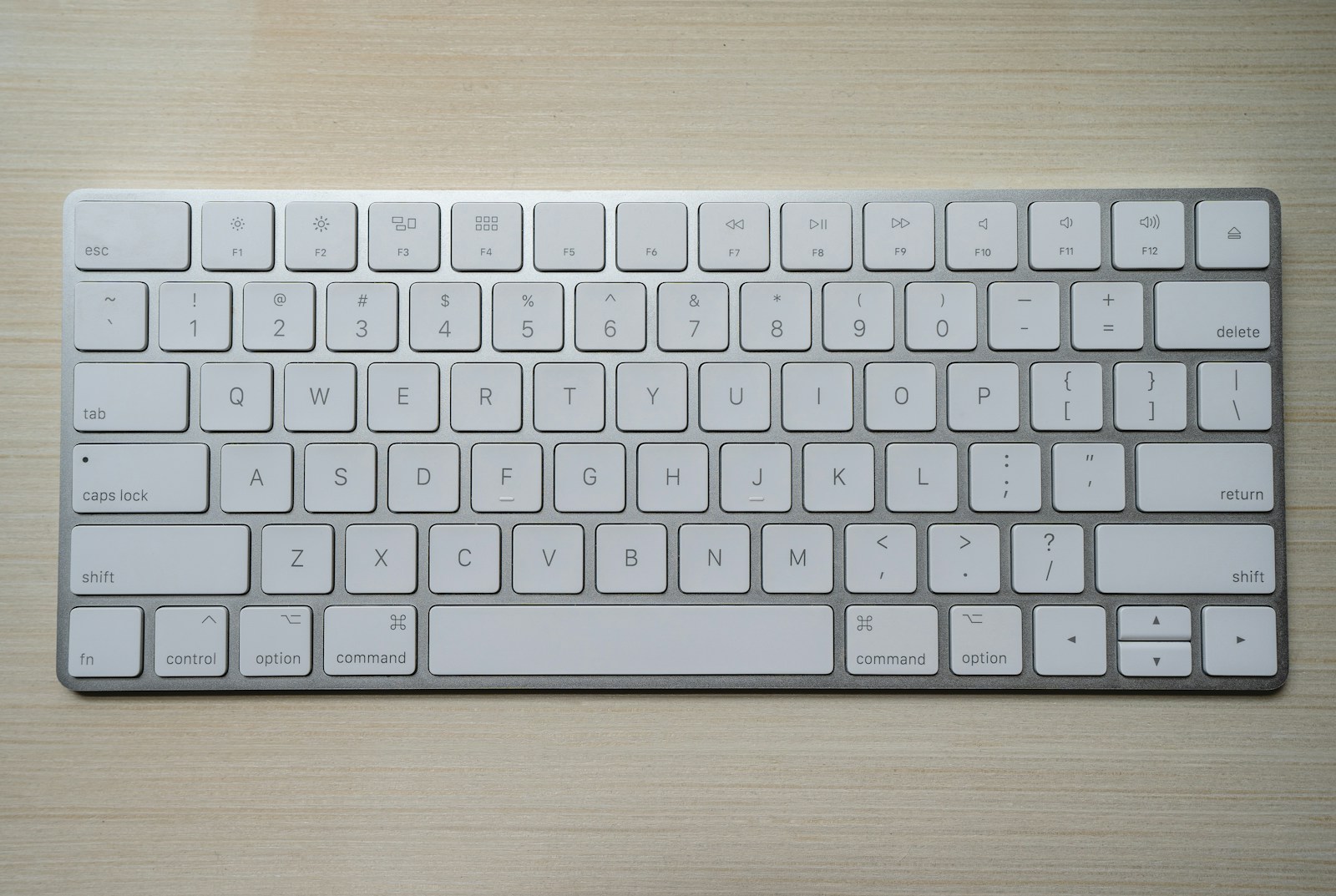
The useful purchase is rarely the one with the longest feature list. It is the one that answers a real, repeated question with the least new friction.
Start with the question you keep asking.
Before comparing specifications, describe the interruption you want to remove. It might be a desk that becomes too crowded, a weak signal in the room where you actually work, or a tool that only looks useful in a demo. A precise question creates better options than a long wish list.

The useful checks are usually small.
Look for how the device fits into the space, what happens when it needs an update, whether the core feature works without an account, and what happens when someone else needs to use it. These details matter long after a launch headline stops being interesting.
- Can the important part be understood in five minutes?
- Is there a clear path for updates, repair or a return?
- Will it work with the tools and people already around it?
Keep the limits visible.
Every recommendation has a reader it does not suit. State that early: a larger desk, a stronger network, a different budget, or a preference for less setup. Clear limits make a guide more useful than a universal verdict.
The next useful step.
Choose the shortest realistic comparison, then leave room to change your mind. The point is not to own more technology. It is to keep the technology you do choose from asking for more attention than it returns.